
Skip to content


Learn here.
Fill out the form to get started
Take the first step toward achieving your goals.
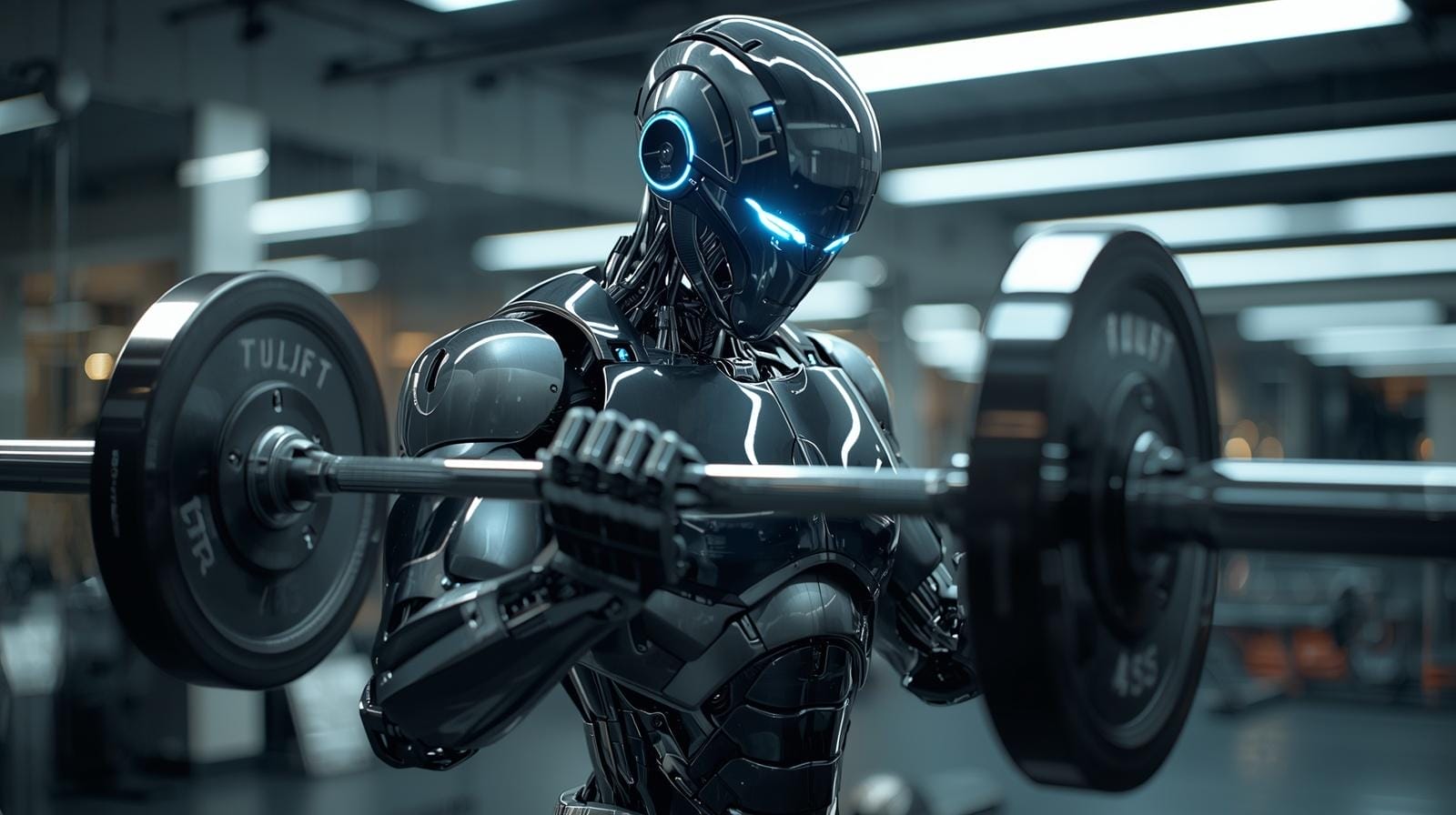
Ahhhhh we LOVE technology! But recently, we’ve heard a pretty hot take: “AI is going to replace coaches.”
Here’s my short opinion: It won’t.
If anything, it’s doing the opposite. It’s making real coaching more valuable, while exposing everything that isn’t. When you actually look at what drives results in fitness and performance, it’s not access to information. That part has already been solved.
We Don’t Have an Information Problem, We Have An Action Problem
There is no shortage of programs anymore. No shortage of exercises, progressions, or “perfect plans” floating around online. An athlete can open their phone, search social media, pop open Google or ChatGPT, ask a question, and get a full training program in seconds. But that’s exactly where things start to break down.
People are overwhelmed. They’re constantly searching, comparing, second-guessing, and looking for something better before they’ve even given anything a real shot. They bounce from one approach to the next, not because nothing works, but because they never stick with anything long enough to find out.
The problem isn’t finding a program that works. Most programs, when applied properly, will get results. The real problem is execution; the ability to consistently apply appropriate stimuli with intent on a recurring basis. It’s committing to a process long enough for it to actually do something.
That’s where people get stuck. Not in the search, but in the action.
Coaching Is What Bridges the Gap
This is where coaching separates itself from everything else.
Coaching isn’t just about handing someone a plan and wishing them luck. It’s about guiding them through the process of actually implementing it.
It’s holding someone accountable when motivation inevitably drops off. It’s making small adjustments when fatigue starts to build. It’s recognizing when someone needs to be pushed and when they need to be pulled back.
It’s also about feedback — in real time. Not after the fact. Not based on perfect conditions. But in the middle of a session, when decisions actually matter.
At its core, coaching is about working with a human being, not just managing a set of variables on a screen.That’s something AI simply cannot replicate.
People coach people.
Real Coaching Happens in Real Time
No athlete follows a plan perfectly, and no plan is built to be perfect. People walk into sessions carrying stress from school, work, travel, competition, or life in general. Some days they’re locked in. Other days they’re flat. Sometimes they’re physically ready but mentally drained, and sometimes it’s the opposite.
A program doesn’t account for that. A coach does.
A coach can read the room, pick up on subtle cues, and make adjustments on the fly. That might mean changing loads, modifying an exercise, adjusting the volume, or completely reframing the intent of the session.
Those decisions don’t come from a template. They come from experience, observation, and hours of application working with real people. That’s where results are actually built.
Where AI Actually Fits
Now, with all that being said, AI is an incredibly powerful tool when used the right way. Trust me, I use it almost every day to make our day to day operations more efficient.
It can process data faster than any human. It can help organize information, identify trends, and surface insights that might otherwise be missed. It can assist with building frameworks, generating ideas, and streamlining the backend of what coaches do on a daily basis.
In a performance setting, that means quicker analysis of jump data, sprint times, or force plate outputs. It means having access to information instantly, without digging through layers of notes or spreadsheets. It means less time spent on admin and more time spent on the floor.
AI doesn’t replace decision-making. It supports it. It clears out the noise so coaches can focus on what actually matters. People getting results.
The Standard Is About to Rise
Here’s the reality most people don’t want to admit:
AI won’t replace coaches, but it CAN replace average ones.
Coaches who learn how to use these tools effectively will move faster, see more, and ultimately deliver a higher level of service. They’ll be more efficient with their time, more precise with their decisions, and more consistent in how they support their athletes.
Meanwhile, the ones who rely solely on surface-level programming and generic approaches will struggle to keep up. To be a coach isn’t to simply be a programmer. You must be the navigator of the plan you put forth. Our role is to design a great program AND guide our people through it.
The gap is going to widen, and it’s going to widen quickly.
The Bottom Line
AI can give you a program. It can give you information. It can give you options.
But it can’t do the work. It can’t hold someone accountable when things get hard. It can’t read the room. It can’t adjust in real time. It can’t build trust or understand the nuances of the person standing in front of it. That still takes a coach.
At the end of the day, results don’t come from having the perfect plan. They come from consistently executing a good one, making adjustments along the way, and staying committed to the process over time.
AI can support that process. It can make coaches better, faster, and more informed.
But it can’t replace the one thing that actually drives it forward:
Real coaching, applied in real time, to real people.
Matrixx Ferreira – Director of Strength & Conditioning
PS: If you’re looking to learn what a real coach can do to help you on your training journey, click here and let’s chat!



Learn here.
Train with us.
Schedule a strategy session to meet with a coach and take the first step toward your goals.
Get Started!